Every little thing You Need to Understand About Shipping Containers and Their Practical Applications
Shipping containers have advanced from simple tools for transport to flexible structures with countless useful applications. Their robust style and standard sizing make them ideal for a series of usages past delivery. From cutting-edge housing options to lasting farming, their flexibility is notable. Yet, the opportunities do not finish there. Discovering their different features reveals unusual insights right into modern challenges and imaginative options. What other roles could these containers play in today's world?
The Style and Structure of Shipping Containers
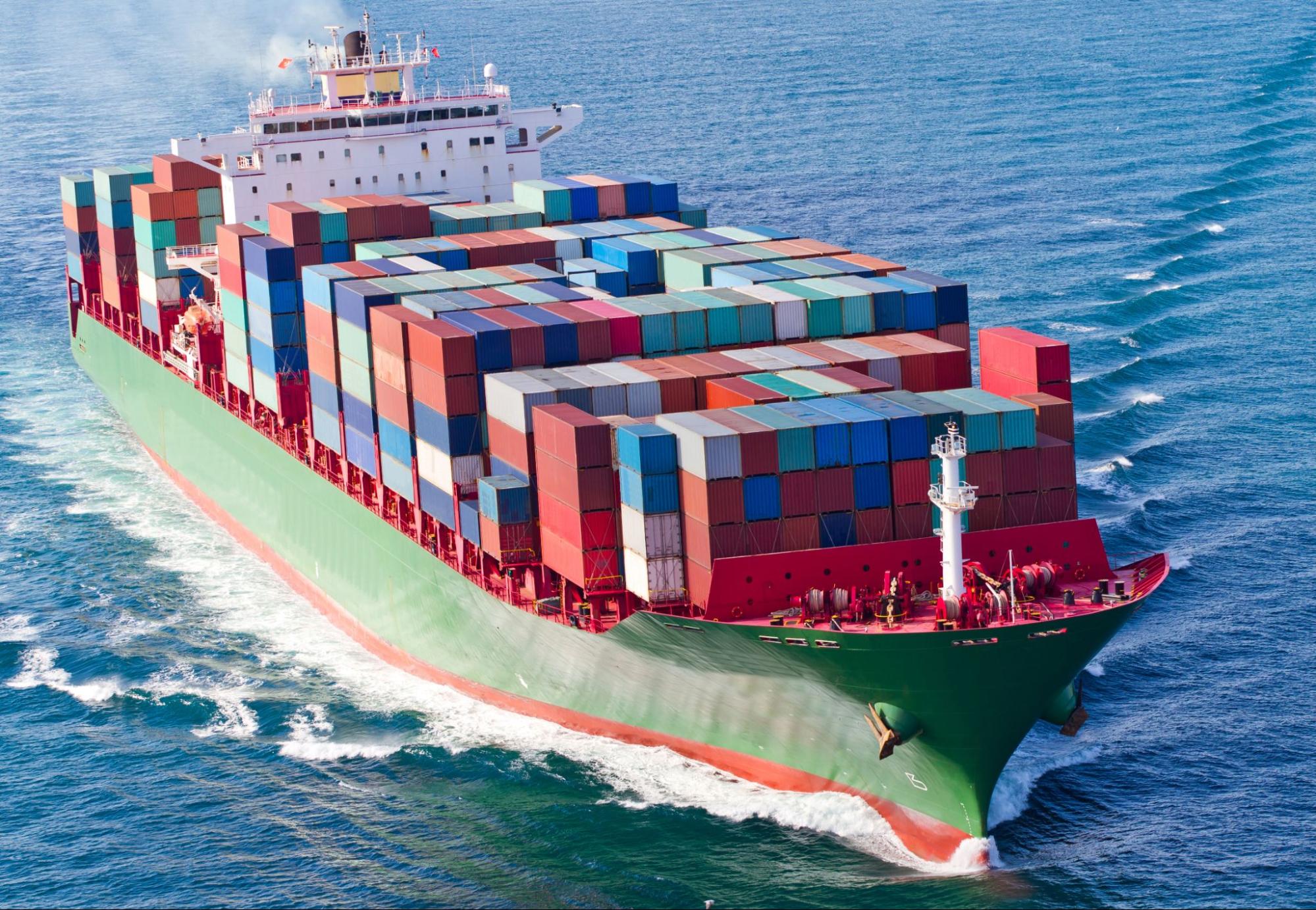
Internally, containers are designed to take full advantage of space, frequently including wooden or steel floor covering that can sustain considerable weight. Air flow systems might be integrated to avoid moisture accumulation, which is essential for sensitive cargo. In addition, enhanced corners permit easy handling by forklifts and cranes, helping with smooth loading and unloading. This thoughtful style and structure add to the containers' flexibility throughout various delivery and storage applications.
Benefits of Utilizing Shipping Containers
While numerous transportation approaches have their benefits, the use of delivery containers sticks out because of their unparalleled versatility and performance. Shipping containers offer a standardized size, making them simple to pile and move across various modes of transportation, including vehicles, ships, and trains. This standardization reduces filling and dumping times, consequently enhancing overall performance.
Moreover, delivering containers are created from resilient materials, providing durable security for products during transit. They are secure and weather-resistant, reducing the danger of damages from environmental aspects or burglary. Furthermore, the modular style of delivery containers permits easy modification, enabling services to adjust them for numerous functions, such as storage space or mobile offices.
Ultimately, their portability and cost-effectiveness make shipping containers an attractive alternative for companies aiming to simplify logistics and supply chain procedures. These benefits add to the expanding popularity of delivery containers in numerous markets.
Innovative Housing Solutions With Shipping Containers
Innovative real estate remedies have become an interesting application of shipping containers, leveraging their fundamental toughness for domestic use. These versatile frameworks use a lasting alternative to conventional building products, usually at a fraction of the price. Developers and architects have changed containers right into trendy, practical homes, providing to diverse way of livings and preferences.
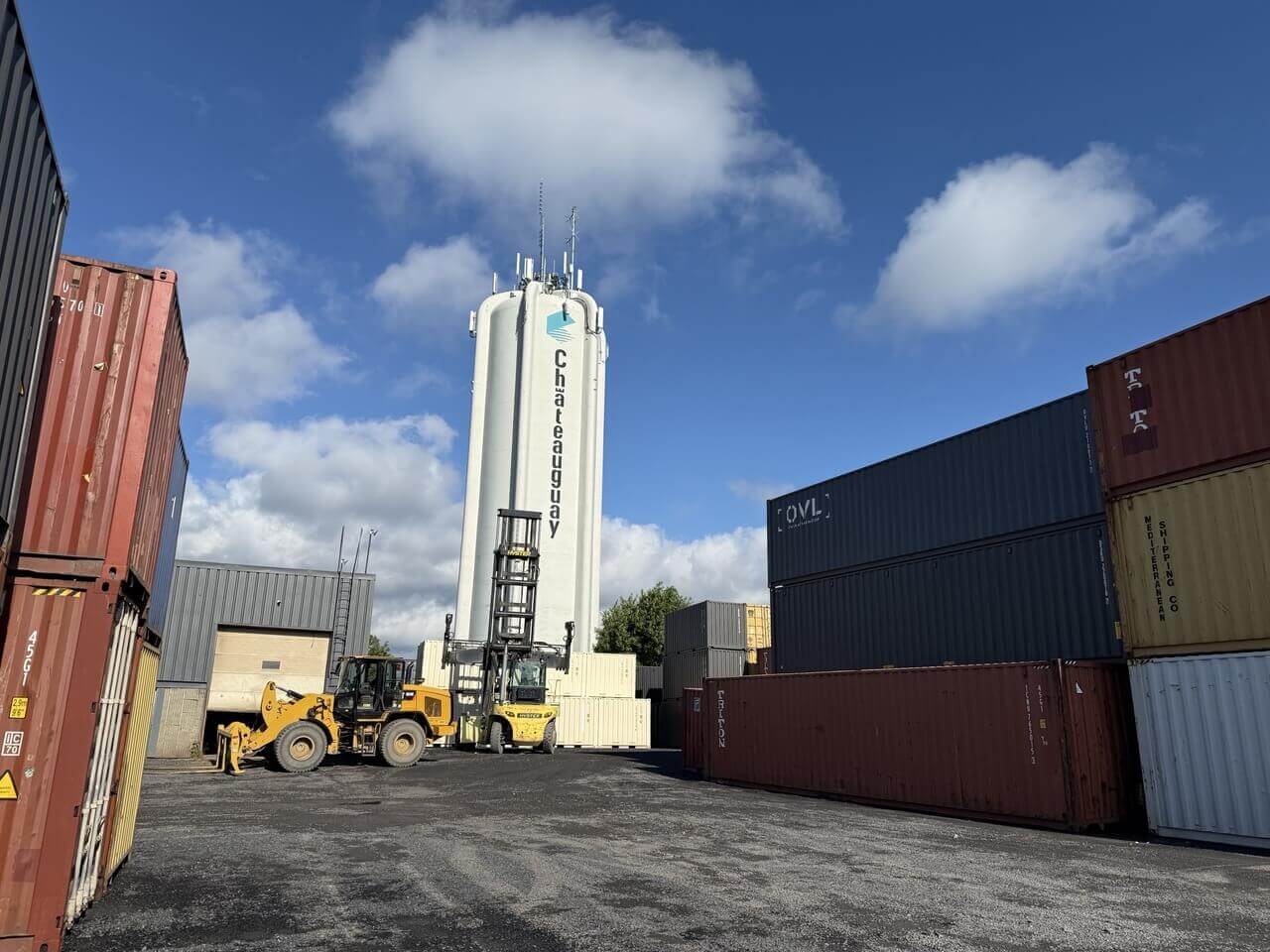
Shipping containers are ecologically friendly, promoting recycling and decreasing waste. Numerous tasks concentrate on energy performance, including solar panels and eco-friendly roofing systems. As urbanization increases, these innovative housing options offer a useful response to housing scarcities while fostering a distinct architectural aesthetic.
Shipping Containers in Retail and Pop-Up Shops
An expanding number of retailers are turning to delivering containers as a vibrant remedy for pop-up shops and retail rooms. These functional structures supply an affordable option to typical store fronts, enabling organizations to produce special, eye-catching settings that draw in clients. Their modular design allows easy transportation and installation, making them perfect for seasonal or temporary retail places.
Stores can tailor delivery containers to reflect their brand name identity, changing them into aesthetically appealing stores that stick out in jampacked marketplaces. The portable nature of containers additionally motivates efficient use of room, permitting imaginative designs that enhance consumer circulation and involvement. Furthermore, delivering containers can be you can find out more positioned in unusual locations, such as uninhabited whole lots or urban parks, increasing availability and foot web traffic.
As the retail landscape evolves, delivering containers offer a cutting-edge and adaptable solution that satisfies the demands of modern-day customers while boosting the shopping experience.
Lasting Farming Practices Utilizing Shipping Containers
Lasting farming practices increasingly incorporate shipping containers as cutting-edge services for agriculture - sea can for sale. These container farms make use of hydroponics to make best use of room and source performance, using an economical approach to food production. By changing delivery containers right into farming centers, farmers can resolve food safety and security and ecological issues all at once
Container Farming Benefits
While typical agriculture deals with difficulties such as land scarcity and climate adjustment, container farming presents a practical option that makes best use of room and sources. This ingenious method enables year-round plant production in controlled atmospheres, decreasing reliance on climate condition. Container farms use much less water than standard farming, advertising sustainability and preservation. They can be developed in city locations, bringing fresh fruit and vegetables closer to customers and lowering transportation emissions. Furthermore, the modular nature of shipping containers allows scalability, allowing farmers to readjust procedures based upon demand. Container farming additionally lessens pesticide usage by developing see here now an enclosed community, eventually boosting food security. As city populations grow, container farming emerges as a useful solution to satisfy the raising need for neighborhood, sustainable food sources.
Hydroponics in Containers
Hydroponics, which permits plants to expand without soil by using nutrient-rich water, grows within the confines of shipping containers, making it an optimal technique for metropolitan agriculture. These containers create a regulated setting that enhances moisture, temperature, and light, enabling year-round growing. With limited area in city locations, delivering containers offer a scalable option for growing fresh produce. Hydroponic systems within containers can consist of different methods, such as nutrient movie method (NFT) and deep water society (DWC), which make the most of yield while lessening water usage. This ingenious method not only enhances food security yet additionally reduces the carbon impact linked with traditional farming methods. Hydroponics in containers stands for a forward-thinking solution for sustainable city food manufacturing.
Economical Agriculture Solutions
As food production encounters boosting difficulties because of environment change and urbanization, shipping containers arise as a cost-effective remedy for farming. These versatile frameworks can be repurposed for numerous sustainable farming methods, such as hydroponics and vertical farming. By making use of regulated environments within containers, farmers can maximize development cycles and lower source consumption, including water and fertilizers. In addition, delivering containers can be tactically put in urban areas, minimizing transport expenses and boosting access to fresh fruit and vegetables. Their modular nature enables scalability, allowing farmers to increase procedures as need grows. Moreover, repurposing containers adds to squander decrease, aligning with eco-friendly agricultural efforts. On the whole, shipping containers present ingenious opportunities for efficient and lasting food production.
Emergency and Calamity Alleviation Applications of Shipping Containers

Organizations often utilize shipping containers to produce mobile facilities or field medical facilities, making sure that healthcare gets to those in need. In addition, they can be changed into command facilities for working with rescue procedures, thereby boosting business performance during crises.
Containers can be customized to store essential goods such as garments, water, and food, protecting products until they are dispersed. Their movement allows them to be easily moved to different places, making sure that help arrives where it is most urgently required. Overall, delivery containers play a critical duty in improving the effectiveness of disaster alleviation initiatives worldwide.
Regularly Asked Concerns
Exactly How Are Shipping Containers Transported From One Area to Another?
Shipping containers are delivered through ships, vehicles, and trains, using cranes for loading and dumping. This multi-modal transportation system makes certain effective movement throughout land and sea, attaching global supply chains and facilitating global trade.
What Is the Average Lifespan of a Delivery Container?
The typical life expectancy of a shipping container usually ranges from 10 to published here 25 years, depending upon maintenance, use, and environmental factors. Proper care can prolong their usability, while neglect might result in degeneration and damages.
Can Shipping Containers Be Customized for Different Usages?
Yes, shipping containers can be changed for numerous usages. They serve as homes, offices, pop-up stores, and storage units. Their flexibility permits imaginative adaptations, making them ideal for a wide variety of applications.
Are Shipping Containers Environmentally Friendly?
Shipping containers can be eco friendly, as they advertise repurposing and recycling. Their toughness decreases waste, while their usage in different housing and services reduces the demand for new materials, contributing to lasting techniques.
Exactly how Do I Choose the Right Dimension Shipping Container?
To select the right size delivery container, one have to analyze storage space needs, think about the designated use, and assess area accessibility - sea can for sale. Typical sizes include 20-foot and 40-foot containers, each serving numerous storage space and transportation demands properly
Cutting-edge housing services have emerged as an interesting application of shipping containers, leveraging their intrinsic toughness for household use. The adaptability of delivery containers allows for imaginative layouts, from single-unit residences to complex multi-container plans. Sustainable farming methods progressively integrate shipping containers as cutting-edge options for farming. In addition, the modular nature of delivery containers allows scalability, enabling farmers to adjust procedures based on need. Hydroponics, which permits plants to expand without soil by making use of nutrient-rich water, thrives within the confines of delivery containers, making it a perfect method for metropolitan agriculture.